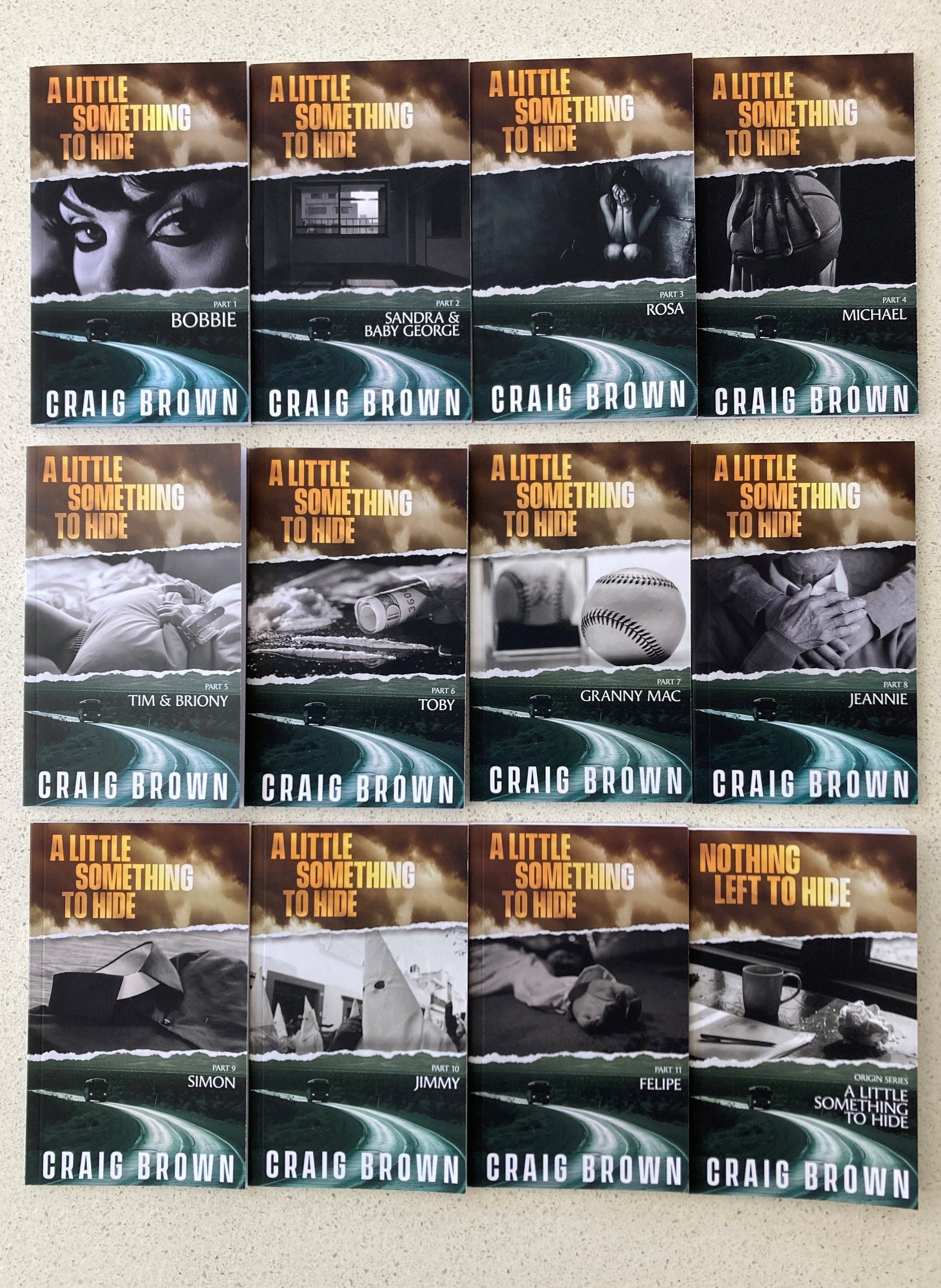
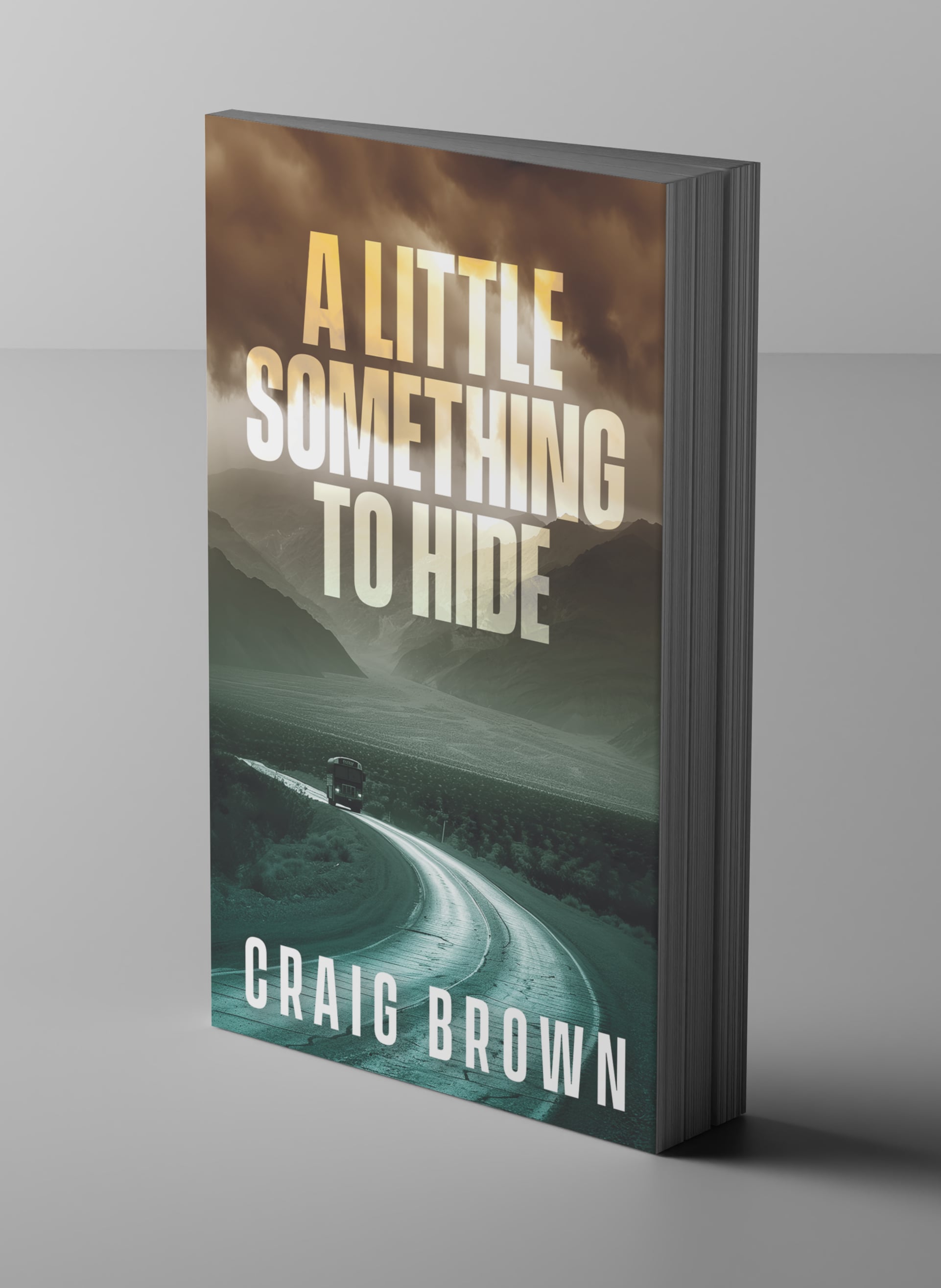
I was chatting to a friend recently who was bemoaning Amazon's algorithmic offers. He'd just bought a new vacuum cleaner, replacing one he'd buried in the great appliance grave in the sky after 14 years of use. He's hoping to get a similar life-expectancy from the new one, although not according to the retail behemoth, which gives him the opportunity to buy another one every time he lands on their site.
I too, have received my fair share of offers during the course of my online scrolling, one of which caught my eye given the impending publication of Dignity.
It was from Zeely, a company that claims it will transform online advertising results through the use of its AI tools for creative and campaign management.
It immediately placed me in a quandary. Like many authors, I view the use of AI to write books as detestable. My choice to write stems from a life-long desire to put my words on a page in the hope that someone will want to read them. Sure, I aim to make money from my work, but that's not what motivates me, it's the creative process that fuels me, so why would I subcontract the thing I love to an AI engine?
And yet, I found myself dipping a toe in the Rubicon. Despite my motivation, I do want to sell some books, and I'd love as many people as possible to buy it, so I looked at what Zeely had to offer, learning after several irretrievable hours that it was ... now what's the word I'm looking for? Yes, that's it, crap.
In all probability, Zeely would suggest that the failure was down to user error, and they may have a point. However, the tools to refine ad copy, allowing me to incorporate my choice of words, not AI's, led to dreadful image degradation, making everything look like I'd popped it through a washing machine.
That, however, was as nothing compared to this gloriously awful image generated by Google's Gemini engine.
I simply could not resist the opportunity to put this on my socials with the wording:
This book is so good you'll grow an extra hand so you can read it twice, adding with no hint of modesty that it is, A beautiful tale of humanity, written by a human.
Both experiences have led me to overcome my curiosity. I won't resort to generating ads using AI and will attempt the creation of my own ad set. I doubt they'll be pretty, but they will be mine, which will allow me to continue to rail, without the accusation of hypocrisy, about AI generated books that dilute the market and compete with authors trying to create art.
That said, I do acknowledge that I started to make an AI bed, but I'm not going to lie in it. When dear old Julius Caesar said, Alea iacta est, the die is cast, he had already crossed the river. I found the AI waters too cold and unforgiving for a swim - though imagine how fast I could reach the other side with that extra hand.
So, I'm going to have a play on Canva, without using its AI tools, and see what I can conjure, remaining comfortable with the knowledge that every word of Dignity was written by me (well, apart from four words that featured in the lyric of a song) and the ads will be mine as well.
As I embark on my advertising crusade, I do so knowing that my artistic and copywriting skills may fall short of the book I'm seeking to promote. I'm immensely proud of Dignity and I hope you'll give it a chance. The reviews are starting to come in, and so far, they're all positive, here's a snippet.
I hope you'll come to agree with Alija when you read it yourself. If you want to be one of the first, you can pre-order now, using one of the links below and my appreciation will be far greater than anything AI is able to generate.
Pre-order by clicking on your preferred link below (please)!
=======
Craig Brown is an author living in Newbury. To follow his work visit craigbrownauthor.com
Facebook/BlueSky/Threads/Instagram: @GOMinTraining
Copyright © Craig Brown, 2026
7 August 2026.